1. Anorexia — Loss of Appetite
Description:
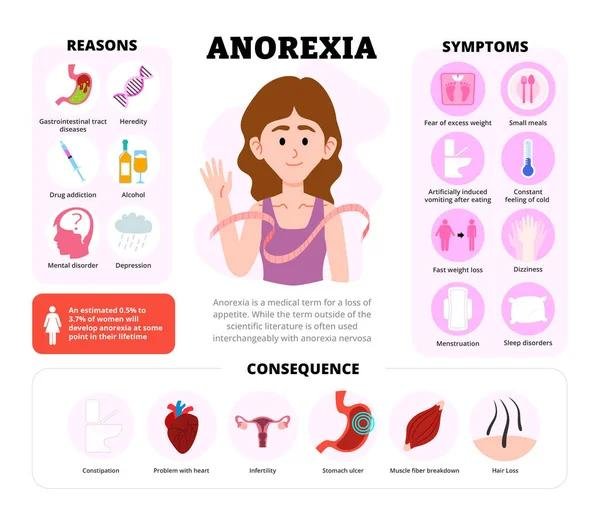
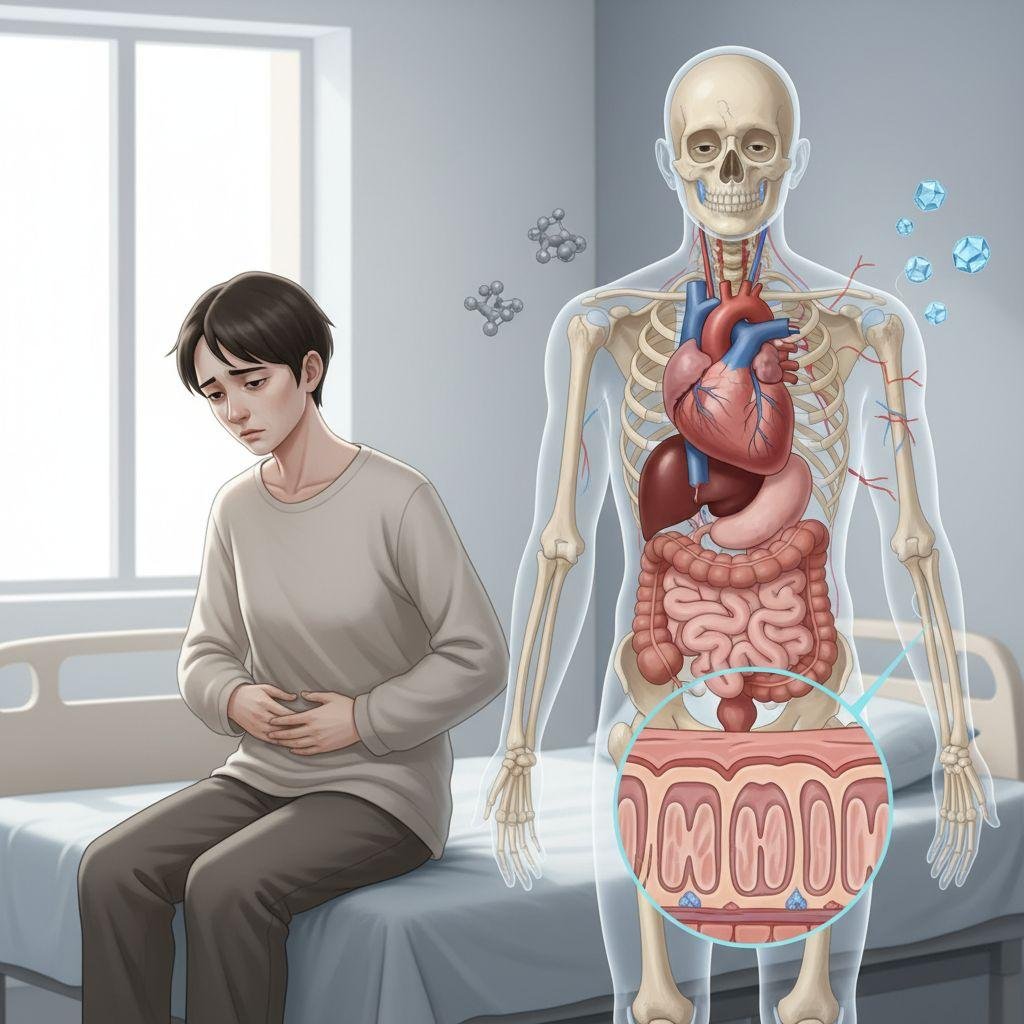
Loss of appetite, also known as anorexia, means having little or no desire to eat. It may occur with digestive problems, illness, stress, certain medicines, or other health conditions. Persistent or unexplained loss of appetite should be evaluated by a qualified healthcare professional.
2. Dyspepsia — Indigestion
Description:
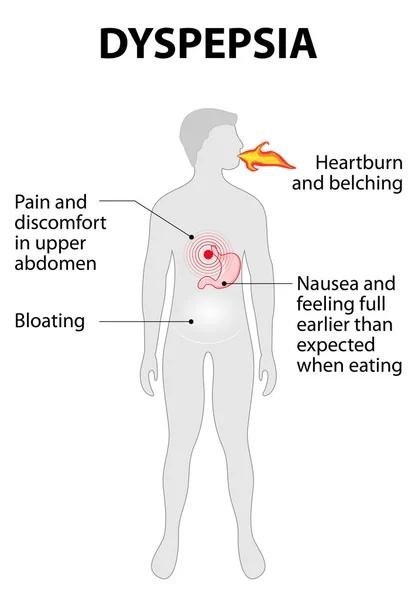
Dyspepsia, commonly called indigestion, can cause discomfort or burning in the upper abdomen, early fullness, bloating, belching, or nausea. Symptoms may be associated with eating habits, acid reflux, or other digestive conditions. Proper evaluation can help identify the underlying cause.
3. Bloating
Description:
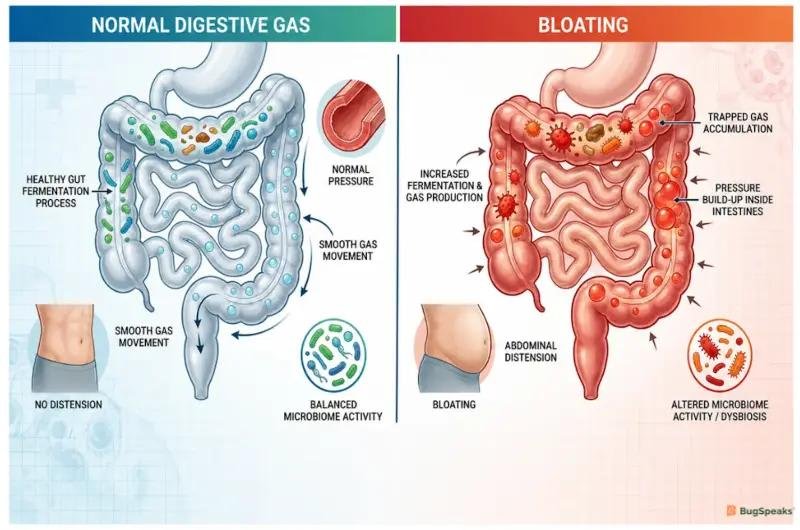
Bloating is a feeling of fullness, tightness, or swelling in the abdomen. It can occur after eating and may be associated with gas, constipation, food intolerance, or other digestive issues. Frequent or persistent bloating may require medical evaluation.
4. Acid Reflux
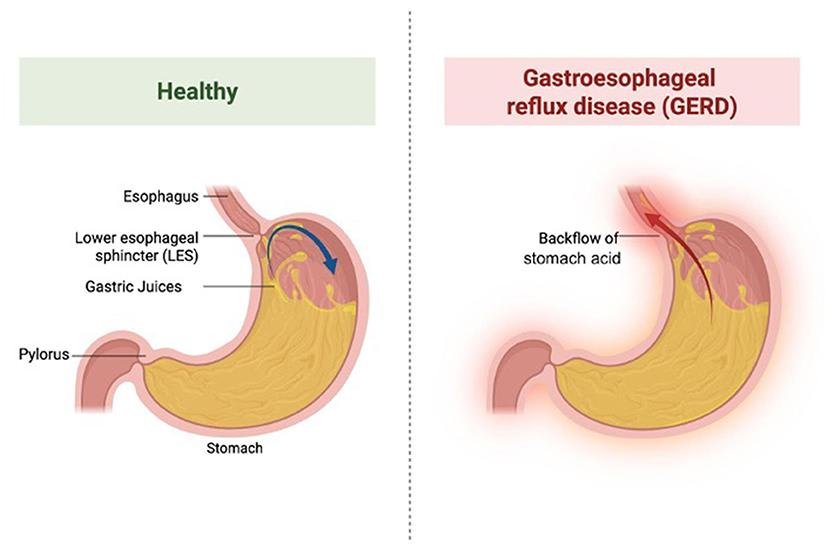
Description:
Acid reflux occurs when stomach contents flow back into the esophagus. It may cause heartburn, a sour taste, regurgitation, or discomfort in the chest or upper abdomen. Frequent symptoms may be associated with gastroesophageal reflux disease (GERD) and should be discussed with a head profession
5. CONSTIPATION
Constipation is a common digestive problem in which a person has difficulty passing stools or has bowel movements less frequently than usual. The stool may become hard, dry, or difficult to pass. It may also be associated with abdominal discomfort, bloating, and a feeling of incomplete bowel emptying.
Common symptoms include:
- Difficulty or straining while passing stool
- Hard or dry stools
- Bloating and abdominal discomfort
- Feeling that the bowel has not completely emptied
- Reduced frequency of bowel movements
6. JAUNDICE
Jaundice is a condition in which the skin and the whites of the eyes become yellowish. This happens when bilirubin levels in the blood become elevated. Jaundice can occur in association with problems involving the liver, gallbladder, or bile ducts.
Common signs may include:
- Yellowing of the eyes and skin
- Dark-colored urine
- Pale-colored stools
- Abdominal discomfort
- Tiredness or weakness
- Loss of appetite in some cases
Persistent yellowing of the skin or eyes should be medically evaluated to identify the underlying cause.
7. GALL BLADDER STONES
Gallbladder stones, also known as gallstones, are solid deposits that can develop inside the gallbladder. Some people may have gallstones without noticeable symptoms, while others may experience pain when a stone blocks the normal flow of bile.
Possible symptoms include:
- Pain in the upper right or upper middle abdomen
- Abdominal pain after eating, particularly after fatty meals
- Nausea or vomiting
- Indigestion or abdominal discomfort
- Pain that may sometimes spread toward the back or shoulder
Medical evaluation can help determine whether treatment is required.
8. PANCREATITIS
Pancreatitis is inflammation of the pancreas, an organ involved in digestion and blood-sugar regulation. It may occur suddenly or develop over a longer period. The condition can range from mild to serious and requires appropriate medical evaluation.
Possible symptoms include:
- Upper abdominal pain
- Pain that may radiate toward the back
- Nausea and vomiting
- Abdominal tenderness
- Fever in some cases
- Reduced appetite
Severe or persistent abdominal pain, especially when accompanied by vomiting or fever, should be assessed promptly by a healthcare professional.